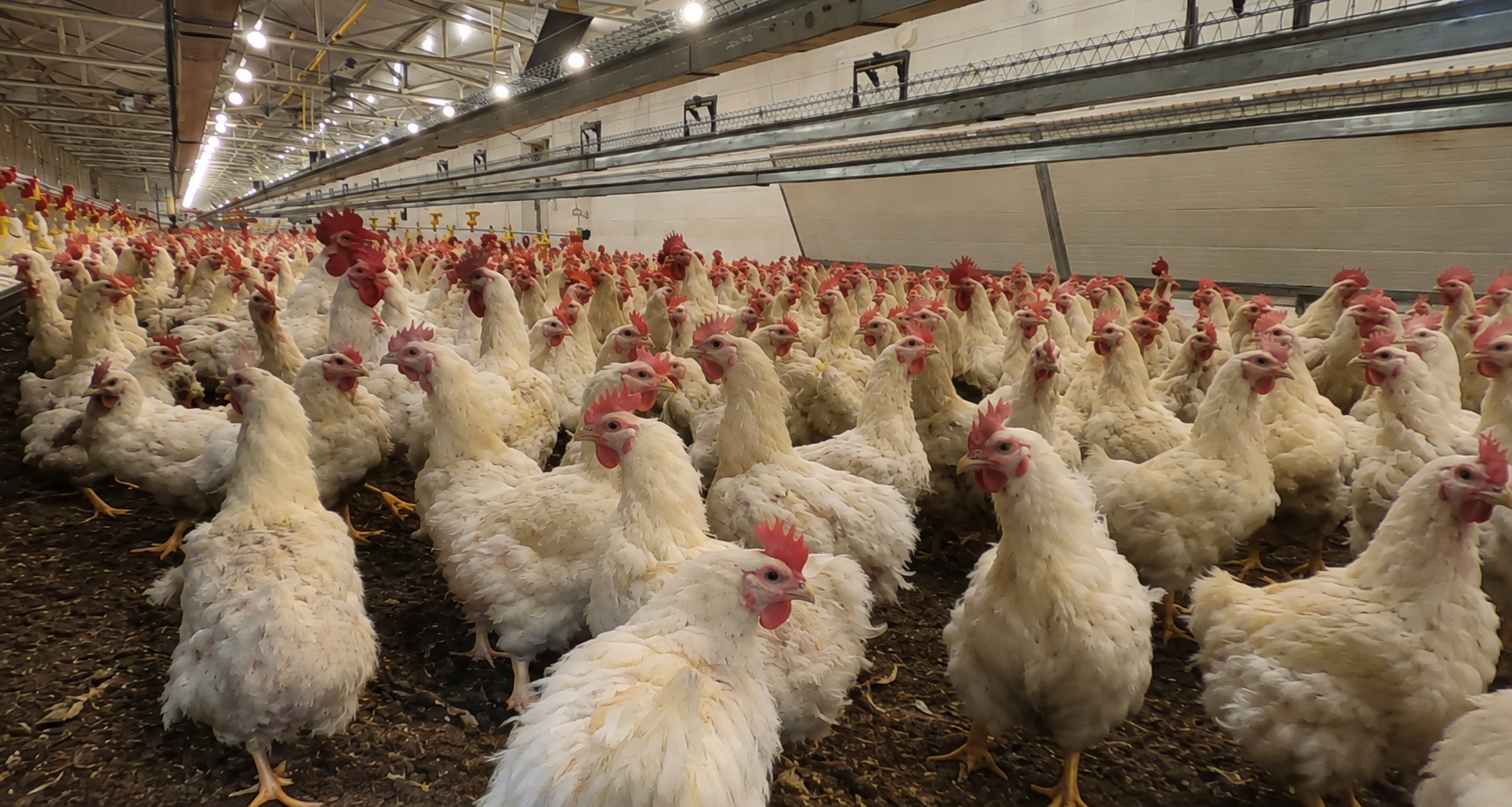
Ross 308 and Cobb 500 breeder chicks, through a 20-week rearing period, are raised into healthy, balanced and uniform flocks under the supervision of specialist veterinarians and agricultural engineers.


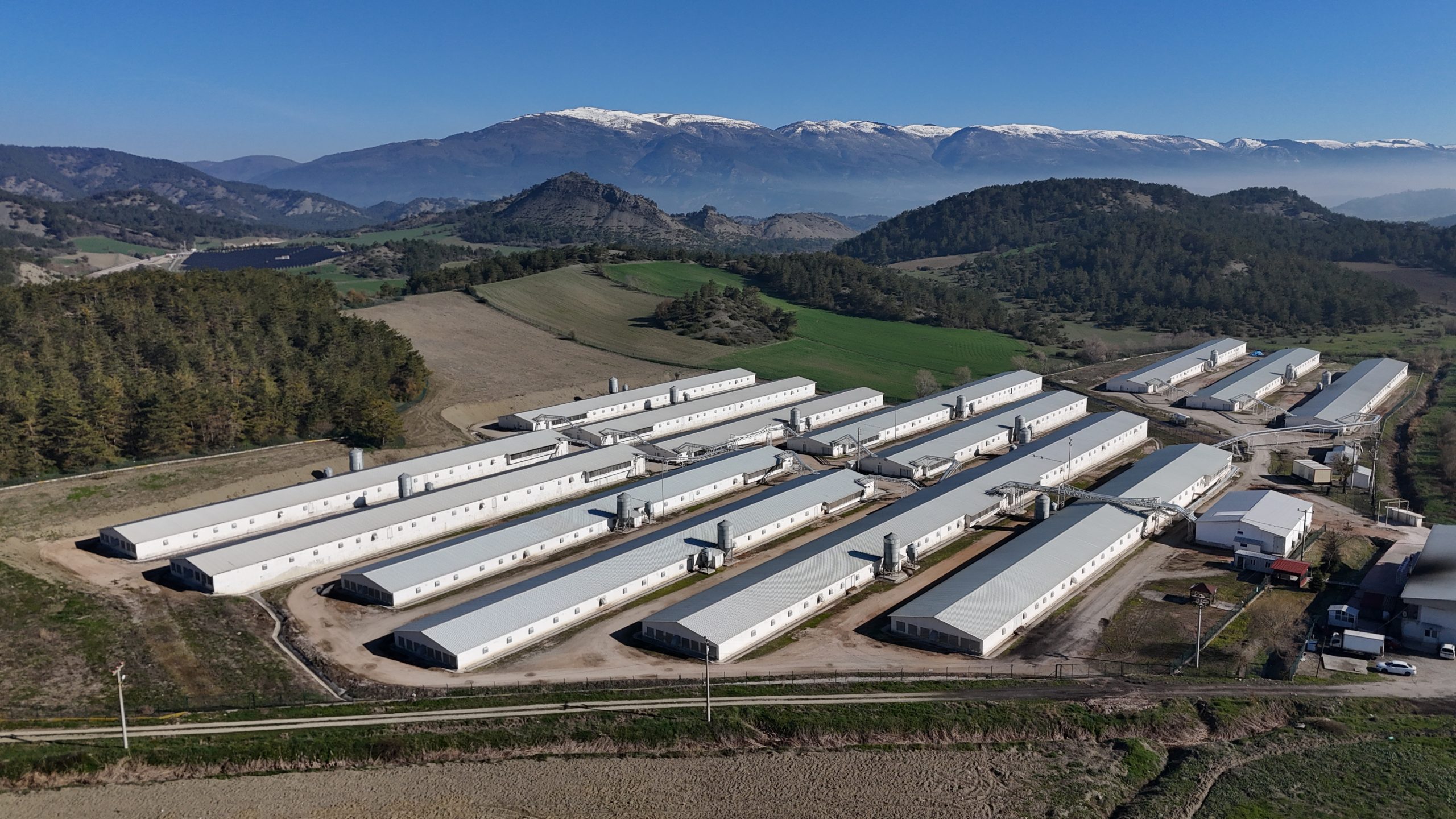
Ross 308 and Cobb 500 breeder chicks, supplied by Aviagen Anadolu and Cobb, are placed in rearing units and monitored for 20 weeks. This period is about more than growth; it also supports flock health, immunity, nutrition and preparation for production throughout the rearing process.

Runs automatically and continuously · Rotates slowly like a carousel
From the arrival of breeder chicks at the facility through to the production phase, nutrition, growth, health and flock uniformity are monitored regularly. Each stage is planned to support healthy flock development and prepare the birds for production.
Ross 308 and Cobb 500 breeder chicks are placed in the rearing units. From the outset, flock organization, care plans and preparation for the production phase are given priority.
In rearing units equipped with Spin Feeder systems, flock growth is managed to remain balanced. The goal is not simply growth, but a controlled, balanced and uniform flock.
Throughout the rearing period, flock health is monitored by specialist veterinarians and agricultural engineers. Vaccination programs are carried out as needed to support immunity.
At the end of approximately 20 weeks, healthy flocks with balanced and uniform growth are prepared for the production phase. This approach helps the next stage of production begin on a strong foundation.
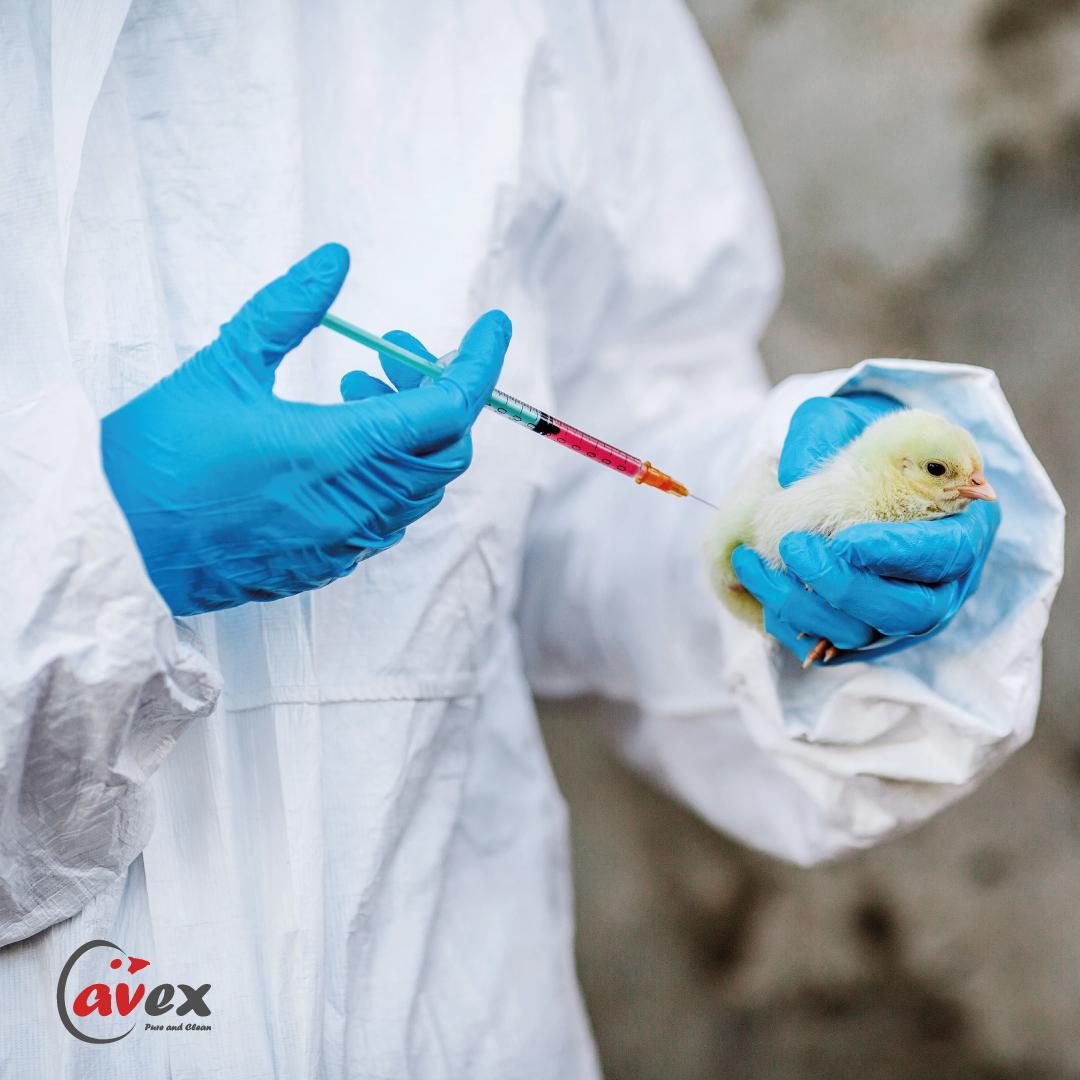
At every stage, we focus both on the flock’s current condition and on how it is being prepared for the production phase.
Regular monitoring by veterinarians and agricultural engineers throughout the rearing period.
Vaccination programs recommended by specialist teams are carried out with flock health as the priority.
Supporting a more controlled transition to production by maintaining balanced and uniform flock growth.
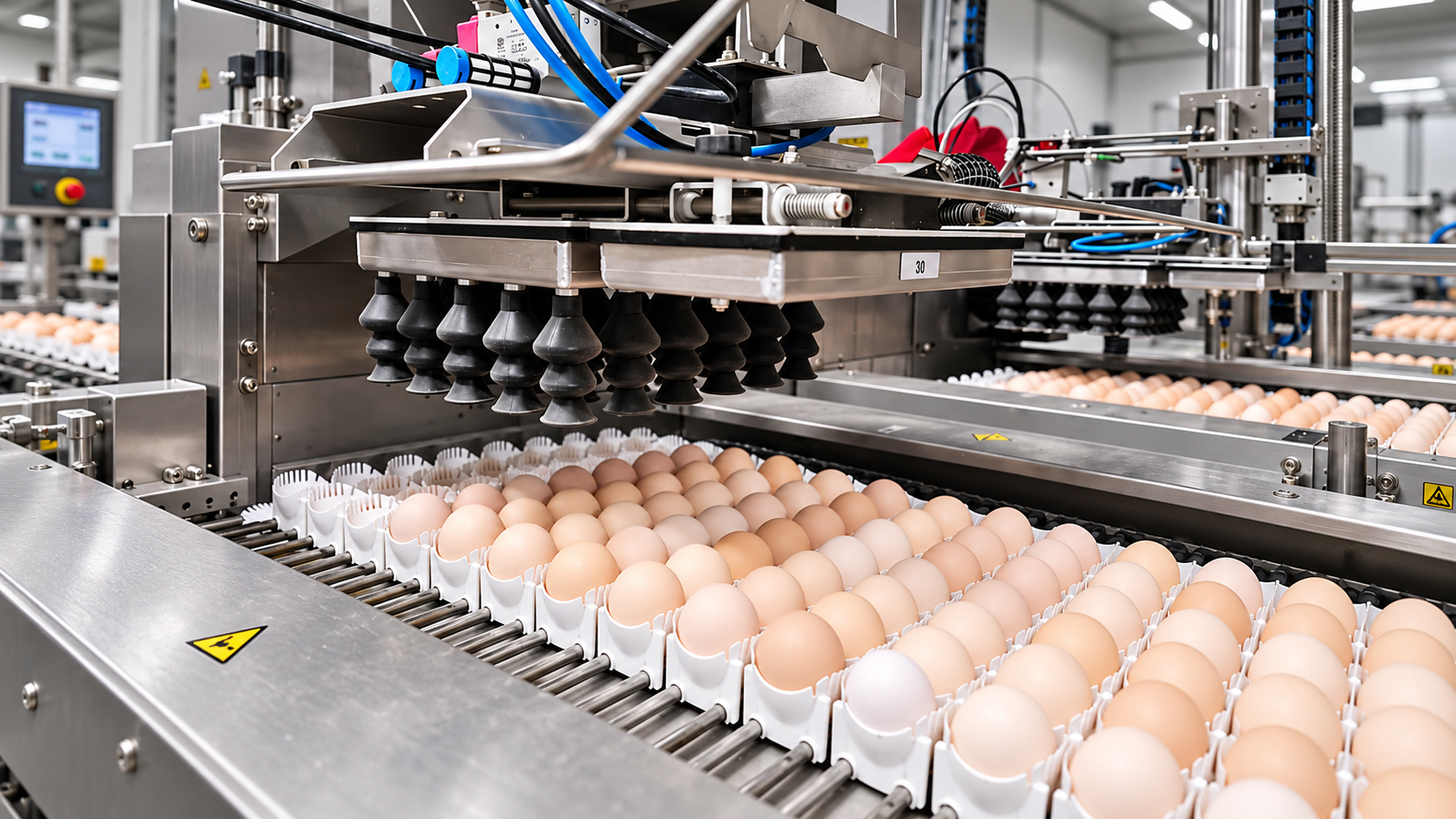
In production houses, automatic nests and conveyor systems help transfer eggs to the next stage in a controlled and hygienic way.
Automatic nest systems are used in Orallar production houses.
Many facilities use conveyor systems to transfer eggs in a controlled manner.
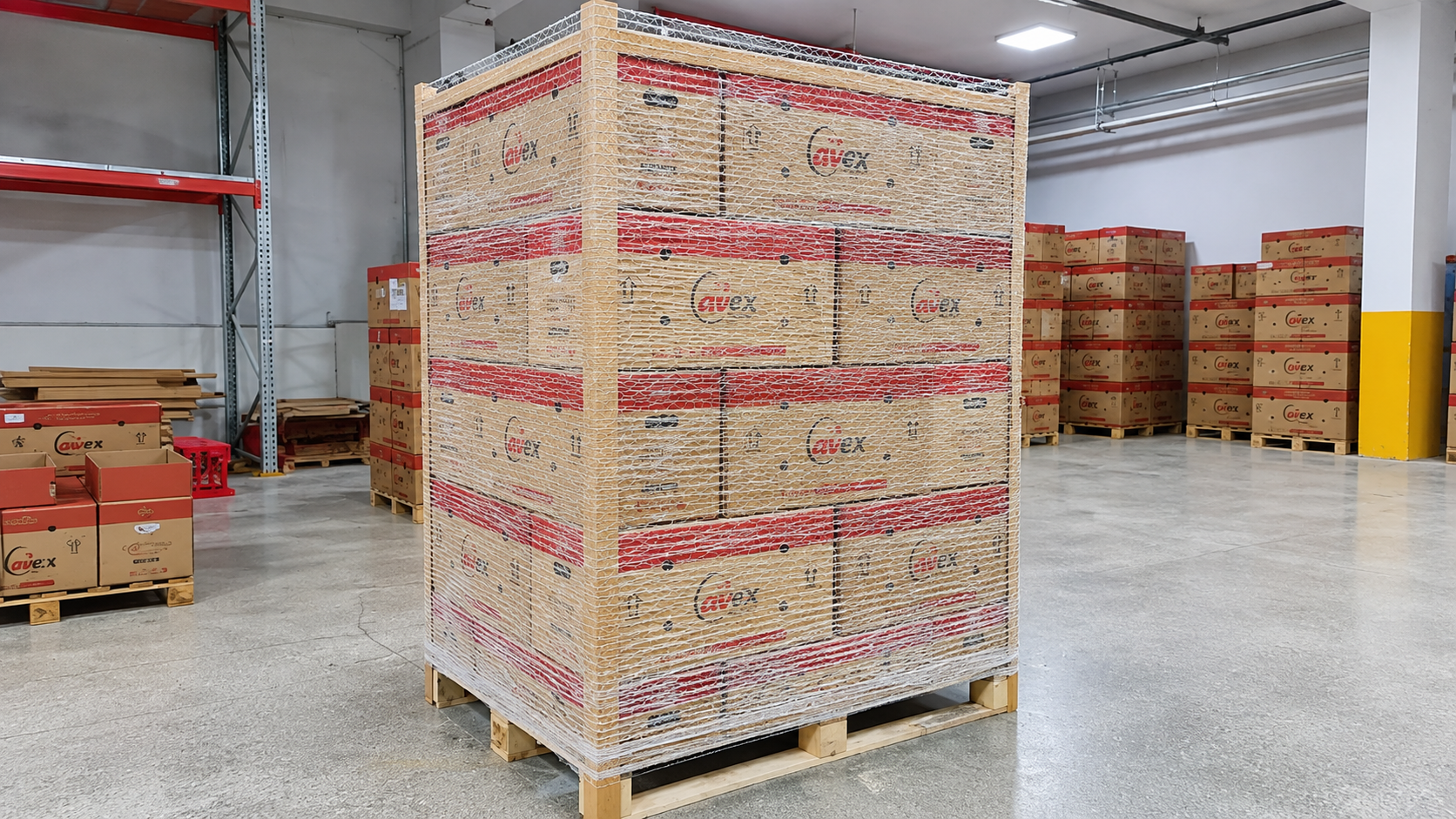
These systems help deliver eggs to customers or hatcheries without manual handling.